From Ten Developers to Ten Thousand Agent Runs Without Adding a Platform Team
Managed cloud sessions handle isolation and credentials, but review capacity becomes the next limit.
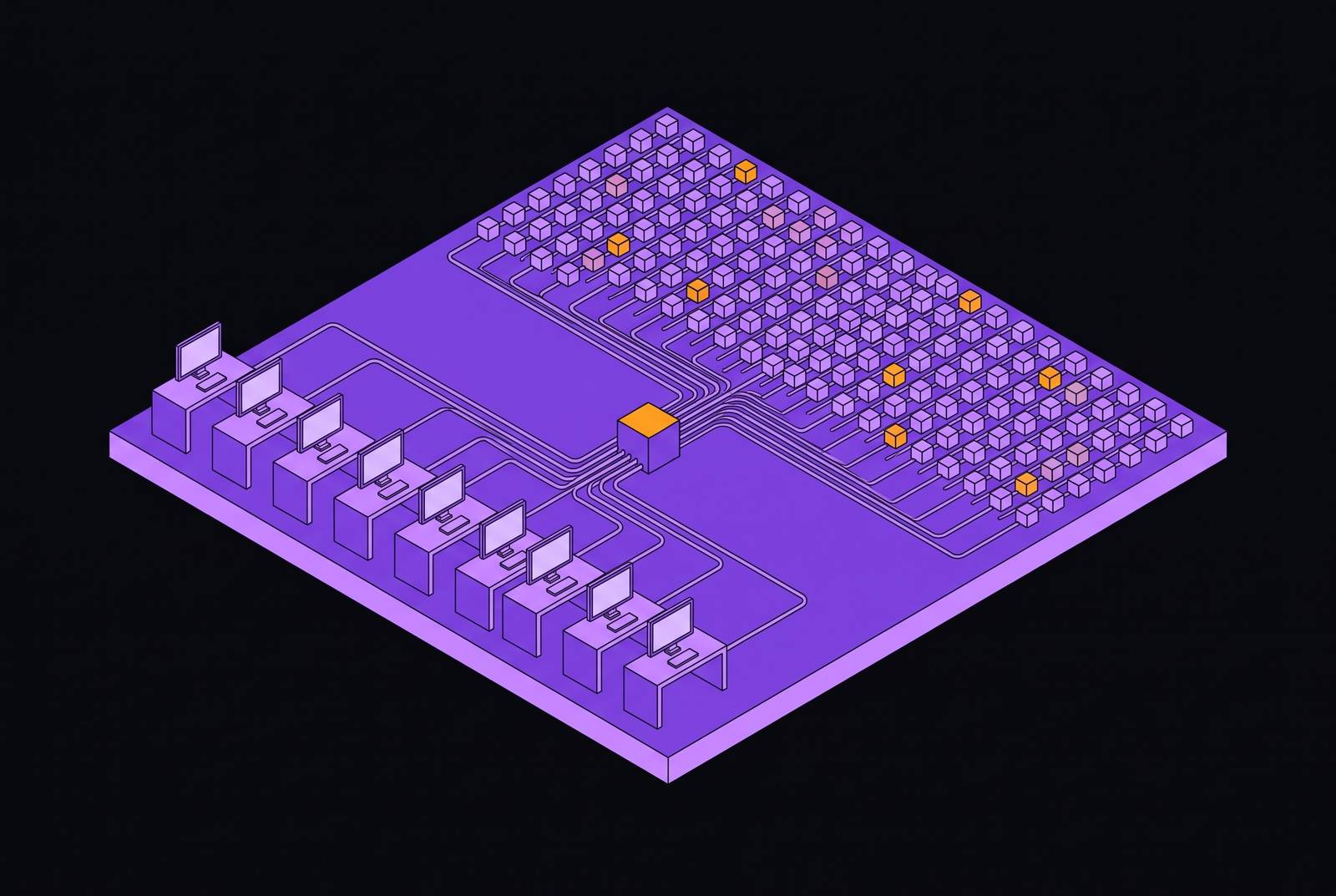
Anthropic’s Claude Code cloud sessions are a way to start running Claude Code in the cloud without having to manage infrastructure. Teams can have a service manage runs in isolated cloud environments or build an agent platform themselves. Moving from ten developers to ten thousand agent runs without adding a platform team depends on making isolation, scheduling, credentials, and workflow integration properties of the infrastructure.
Why the platform team bottleneck appears when agent runs scale
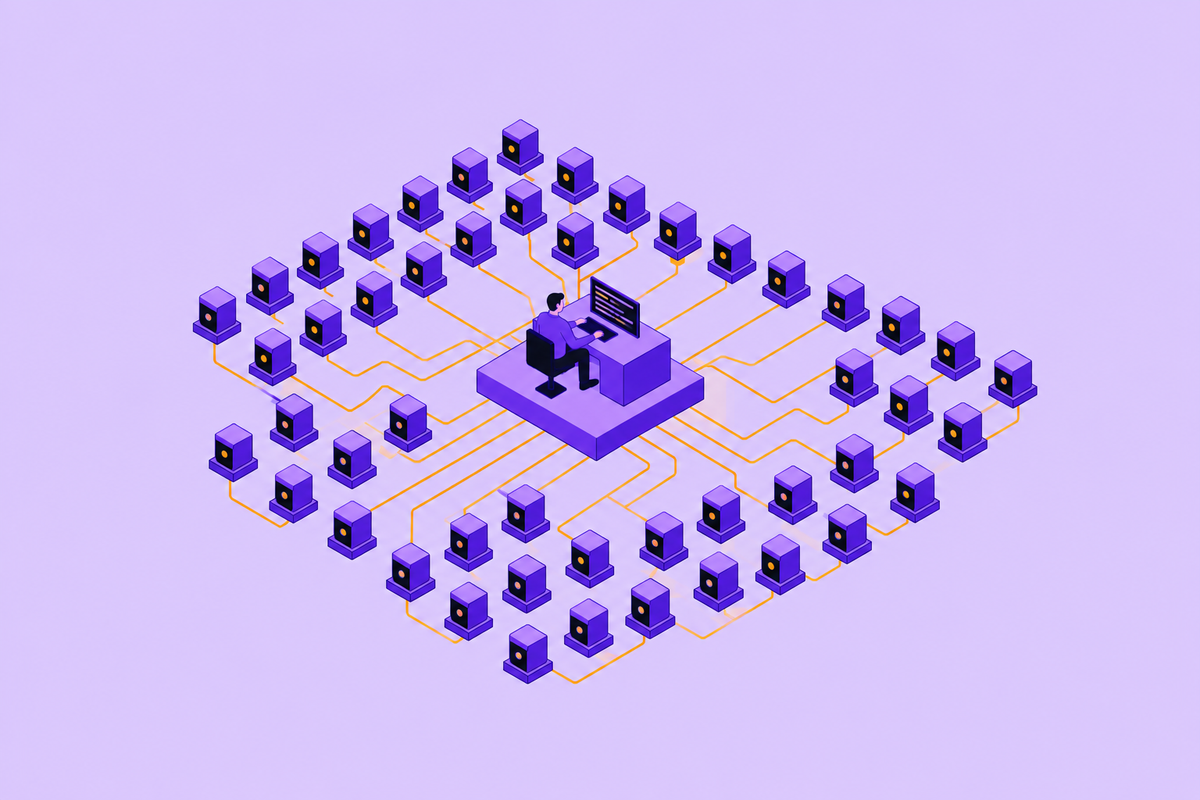
Engineering leaders expect more agents to produce more throughput. Instead, they can inherit more platform work. One or two agents on a laptop or a shared CI runner are manageable by whoever set them up. Dozens of concurrent sessions need separate environments, access to secrets, isolation, and a route back into review. The work surrounding each run becomes the constraint before the agent’s speed does.
The usual response is to provision VM pools, write orchestration code, and build internal tooling. Environment failures, credential management, and changes to the execution setup become ongoing engineering responsibilities. Adding agents then grows both the amount of work the team can do and the machinery it has to look after. This overhead is not an unavoidable consequence of agent scale, but a consequence of choosing to own that machinery.
How to run Claude Code in the cloud with isolated VMs instead of maintaining environments
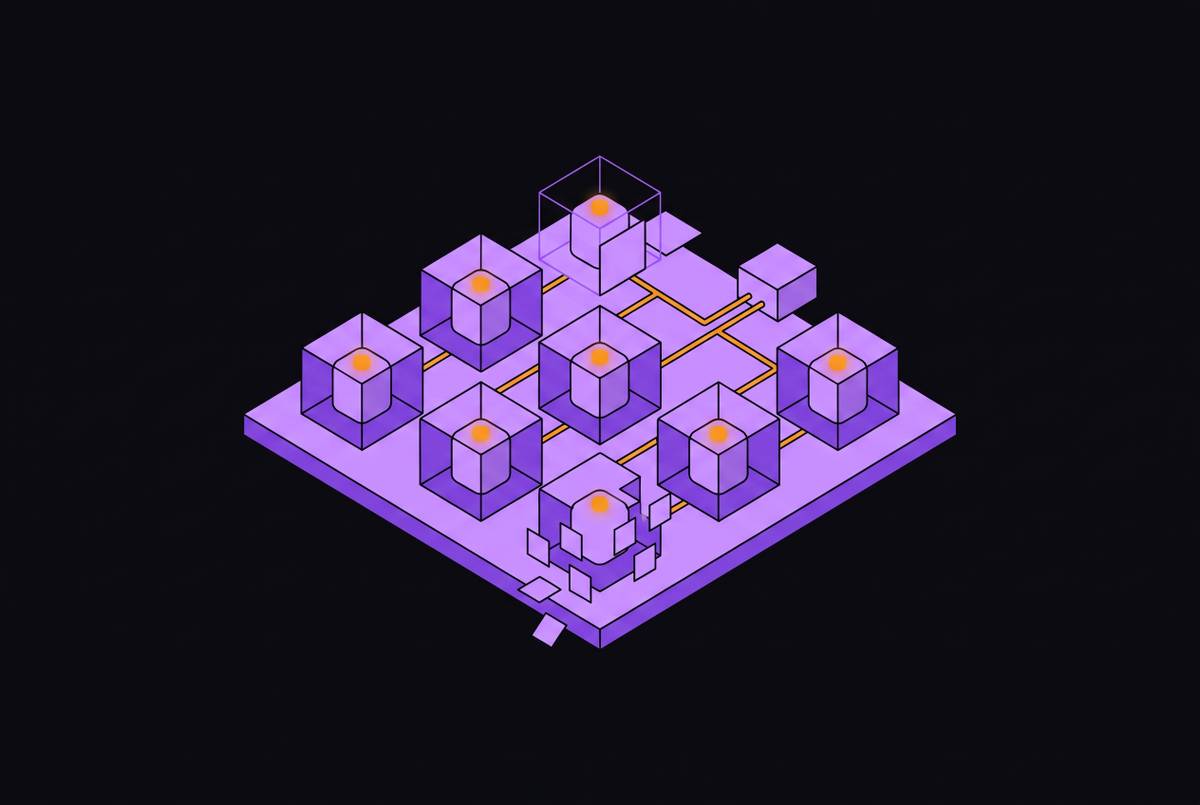
Each agent session gets its own machine in a fresh, isolated cloud VM. Separate session state and toolchains for concurrent runs remove dependency conflicts between runs and avoid cleanup work between sessions. When the service also handles provisioning and teardown, the team does not maintain the machine lifecycle. Isolation is the architectural property, while managed execution is what removes its operation from the team’s workload.
Credential handling needs a separate distinction. Claude Code cloud sessions keep GitHub credentials outside the VM, with git operations passing through a proxy that attaches credentials server-side. The agent therefore does not need to hold a live GitHub token inside its execution environment.
The comparison with a self-managed architecture is concrete. A team can build isolated VM pools and its own credential injection, but it then owns those systems. A managed approach moves those responsibilities into the execution service. Cloud VM services differ in how they handle credentials, so teams need to compare the work each service takes off their hands as well as whether it runs remotely.
How parallelism scales agent throughput without proportional human effort
Once environments are handled by infrastructure, parallel execution becomes a configuration choice. A ten-person team can run many concurrent sessions without assigning someone to provision each machine. The infrastructure handles instantiation and teardown as work starts and ends. Human effort can then focus on defining tasks.
Cursor cloud agents work on a separate branch per task and push changes for a pull request. Concurrent tasks therefore do not touch one another’s branch state. Branch separation enables parallel execution on independent working branches, with the resulting changes still requiring review.
Parallelism still has a consumption cost. Anthropic’s documentation warns that parallel runs multiply token use, so more runs still have a cost even when provisioning is handled for the team. Cloud execution can use existing plan limits, while teams using their own API keys pay for the model work they run. More active agent work requires more resources, but it need not require more people to manage environments.
Where work enters the agent and where the result comes back — integration without workflow changes
Managed execution only solves part of the problem if engineers must still build a middleware layer to dispatch tasks and retrieve results. Existing work surfaces can remove that obligation. Cursor supports intake from Slack, Linear, and Jira, with repository support including GitHub, GitLab, Azure DevOps, and Bitbucket. These connections let parallel work begin without requiring a new interface for the team.
Access conditions remain relevant to that comparison. Codex cloud’s GitHub code review and Slack and Linear integrations require a ChatGPT plan, Plus and above. For teams already on those plans, the integration layer is available without a separate setup project. The architectural benefit is not the number of integrations, but the absence of custom routing code someone must own.
Agents invoked through GitHub events or a schedule do not depend on someone remembering to start them. Linear’s coding sessions illustrate the workflow through an existing project management surface, resolving incoming issues using Claude Code and Codex. The output returns as a pull request. That unit of output lets the team merge, comment on, or return agent work through its existing review process.
What happens to the review bottleneck as PR volume grows
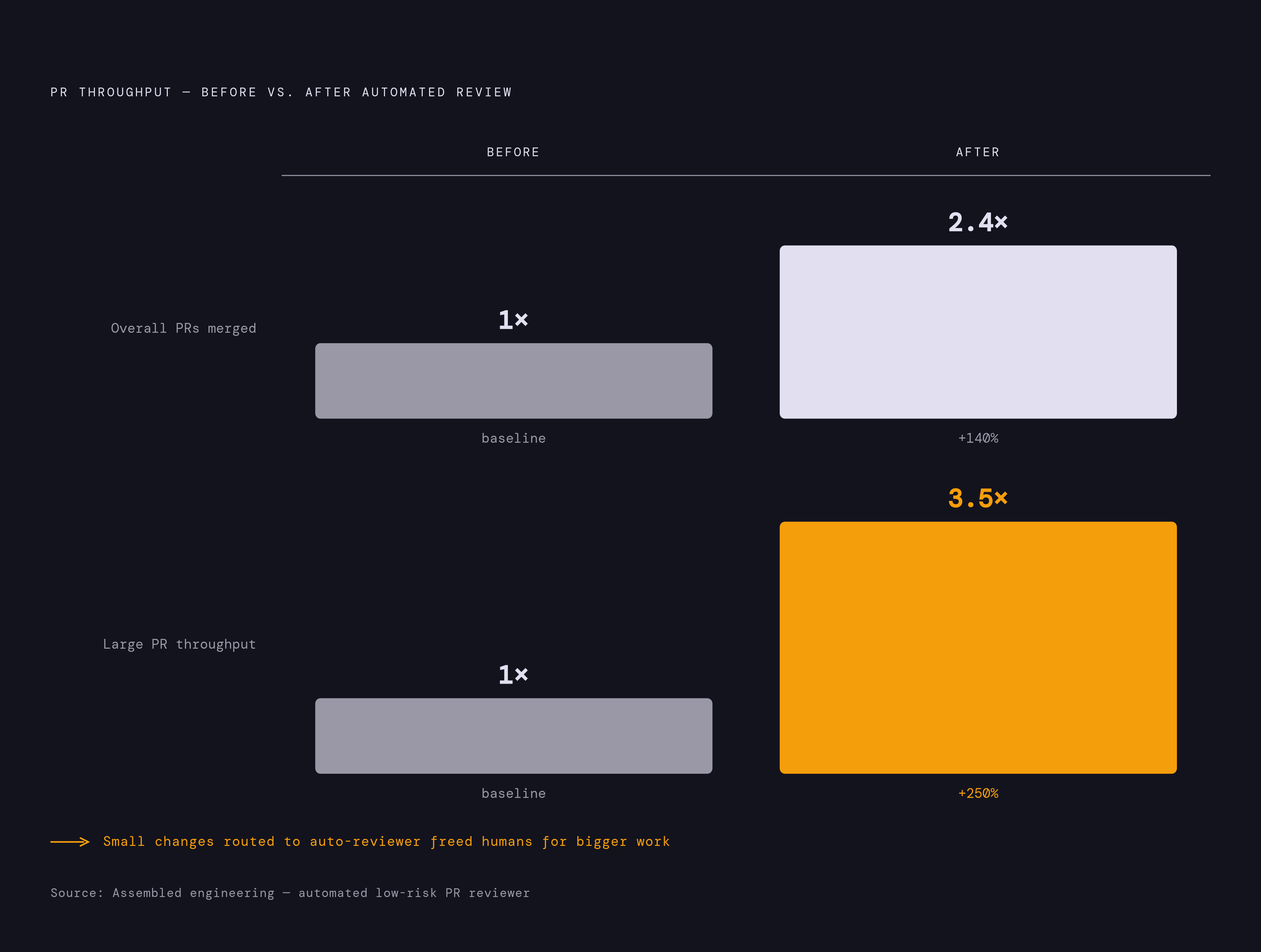
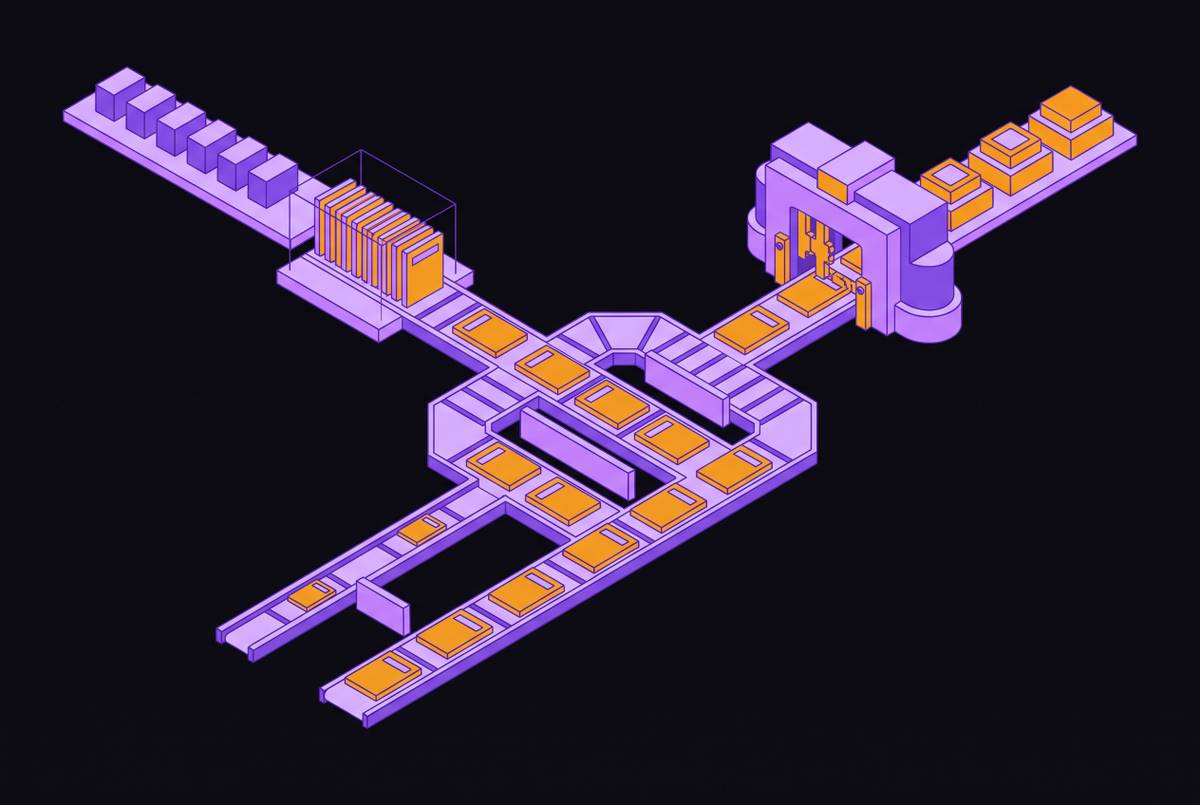
Removing provisioning delays exposes a different constraint, human review capacity. Agents can produce pull requests faster than reviewers can meaningfully assess them. AI-generated PRs also tend to be larger on average than human-authored ones, increasing the assessment work before higher volume is considered. The gap is between generation speed and verification speed.
Assembled’s experience makes the constraint concrete. Assembled reported that the number of PRs merged reached 2.4× its pre-agent baseline after it added an automated reviewer for low-risk changes. Throughput for large PRs increased 3.5× even though the auto-reviewer generally did not approve them. Taking smaller changes out of the queue gave human reviewers more time for larger ones. The effect extended beyond the changes approved automatically.
That response changed where reviewer time was spent. A team planning more concurrent runs therefore needs a review strategy as part of its scaling architecture. Otherwise, runs that succeed leave more proposed changes waiting in the queue without as much growth in the work that gets merged. Infrastructure capacity and review capacity are separate constraints, and solving the first makes the second more visible.
Automated review and event-driven triage as the complement to parallel agent runs
Automated review gates classify changes by risk and route them accordingly. Low-risk changes can be approved automatically, while higher-risk changes go to human reviewers. Assembled let designers, PMs, and customer support make small changes, but had stricter rules for approving their work than for engineers. Engineers could then spend more of their review time on larger changes.
Event-driven triage addresses a different part of the human queue. Linear’s coding sessions resolve a substantial share of incoming bug reports, mostly on the first pass. Linear’s official changelog describes the agent gathering evidence from tools like Sentry or Datadog through MCP and inspecting the codebase to trace the root cause before producing a fix. Evidence gathering can therefore happen before an engineer takes up the issue.
These workflows depend on unattended execution. If each incoming event needs a manually configured environment, triage reintroduces the operational work that managed execution removed. Isolation, scheduling, and automatic environment lifecycles make event-driven work sustainable without a separate platform operation. Claude Code cloud sessions watching a pull request extend this approach by responding to CI failures and review comments. The agent can continue work through the merge pipeline instead of requiring a developer to restart the process at each interruption.
Security and governance at scale without a dedicated compliance team
Every agent session with repository access introduces potential credential exposure, data egress, and gaps in the audit trail. Concurrency expands that risk surface. Ephemeral, isolated VMs prevent sessions from sharing state, limiting the reach of a compromised or misbehaving run across other sessions.
Governance requires controls beyond the execution boundary. Audit logs, RBAC, SCIM provisioning, and SSO need to be part of the platform rather than an internal project added after usage expands. These controls cover different responsibilities, from access decisions to provisioning and traceability. Teams therefore need to check which controls each platform has. VM isolation alone does not establish that every required control is present.
Self-hosting addresses another requirement, rather than serving as the default answer to all security concerns. Regulated organizations that cannot send code to vendor infrastructure need that option. Teams allowed to use vendor-managed VMs should be able to get governance controls without taking on the work of self-hosting. Built-in protections reduce the need for a dedicated team to implement the control machinery, but they do not remove the organization’s responsibility for access policies or its own compliance obligations.
Pricing structures that scale with agent work, not with team size or platform contracts
Consumption-based pricing aligns more closely with agent activity than charges tied to team size or reserved infrastructure. Devin’s ACU pricing illustrates that approach. An Agent Compute Unit is a set amount of active autonomous work, so spending grows with the work that runs. The model still requires disciplined task scoping. Vaguely specified work can consume units without yielding a mergeable pull request.
Uncontrolled parallelism magnifies that weakness. Many poorly scoped tasks can increase consumption without producing a comparable increase in merged work. The appropriate controls are task scoping and review gates, rather than treating concurrency itself as the problem. Those controls connect spending to useful output while preserving the throughput benefit of parallel execution.
Access tiers can also affect the economics. New customers need at least the Premium tier to use Cursor cloud agents, while existing legacy Pro subscribers keep access through grandfathered plans at a lower price. Teams can also choose self-hosted machines. These conditions mean the cost comparison must include both access to the capability and the operating model behind it.
Teams bringing their own model API keys should pay for the model usage their work consumes. Self-managed VMs can also incur charges while provisioned but doing no agent work. Charging for active workspace minutes, with no charge while workspaces sleep, means teams do not pay for that idle time. The governing principle is that cost should follow value delivered.
The one infrastructure decision that determines whether scale requires a platform team
The upstream decision is who owns the execution lifecycle. In a managed, cloud-isolated architecture, isolation, scheduling, credentials, and integration are supplied as infrastructure properties. In a self-managed architecture, VM pools, orchestration, and credential injection become systems the engineering team must maintain. That scaffolding can develop its own bugs, on-call needs, and hiring demands. The distinction persists regardless of which coding agent performs the task.
Agent choice should remain reversible where the platform supports it. Claude Code, Codex, Cursor, and other harnesses can be interchangeable at the infrastructure level when the environment is designed for that flexibility. A platform that permits switching harnesses and models avoids making every agent decision an environment rebuild. This makes the execution architecture a longer-lived choice than the model running within it.
The evaluation should therefore center on isolation, integration, governance, and pricing, with review policy treated as part of operating at scale. The practical test is direct. If adding ten more concurrent agent runs requires a human to provision something, the architecture still leaves the team responsible for provisioning as agent runs scale. When that expansion instead requires task definitions, entry points, and review policies, the team is managing engineering work rather than building another internal infrastructure product.